UI design for embedded devices with limited resources
A case study of three demo UIs for different embedded devices: a smart thermostat, an ECG, and a smartwatch. Here are some highlights of what I learned while working on these projects.
A project for:

The most popular open-source embedded graphics library globally used by major semiconductor companies and device manufacturers across millions of deployed products.
Together We created 3 demos for 3 different customers
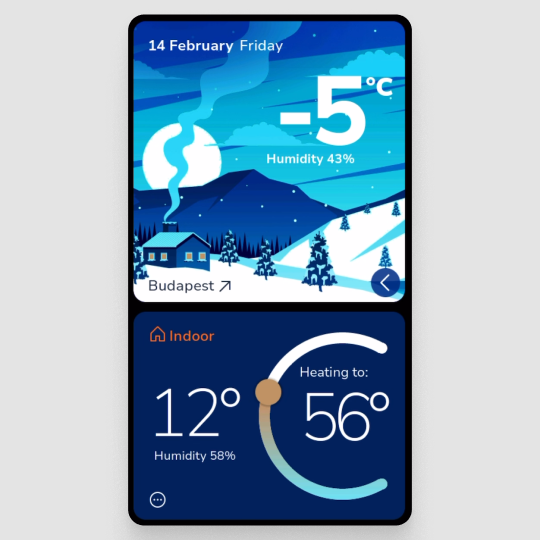
Smart-Thermostat for Renesas
Japanese semiconductor manufacturer ranked 16th worldwide with $9.6B revenue.
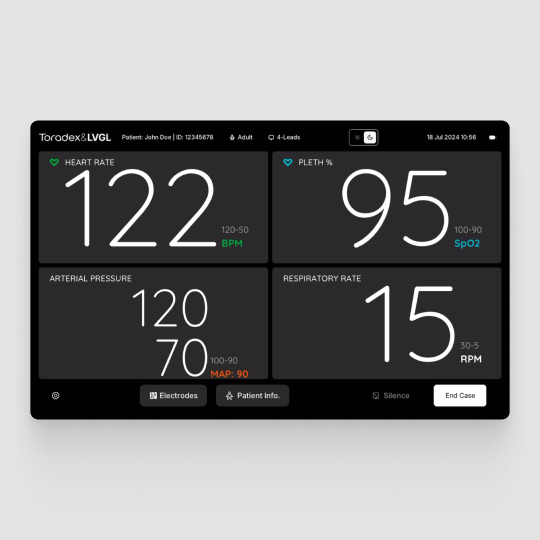
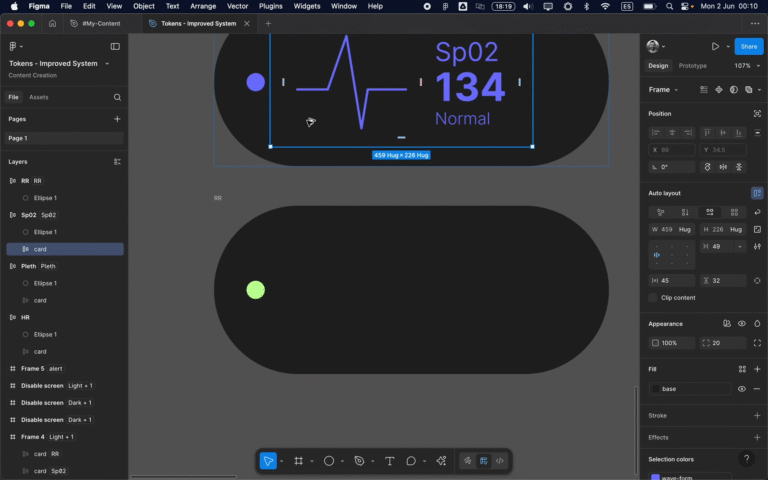
Electrocardiogram Monitor for Toradex
Swiss embedded computing specialist with $65M annual revenue.
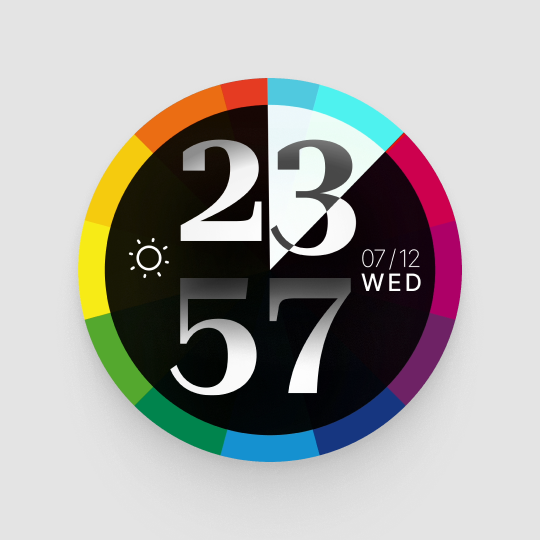
Smart-Watch for Viewe
Chinese display manufacturer with 10+ years of producing touchscreens and smart displays.
EACH DEMO WAS IMPLEMENTED IN 3 different CHIP-BOARDS
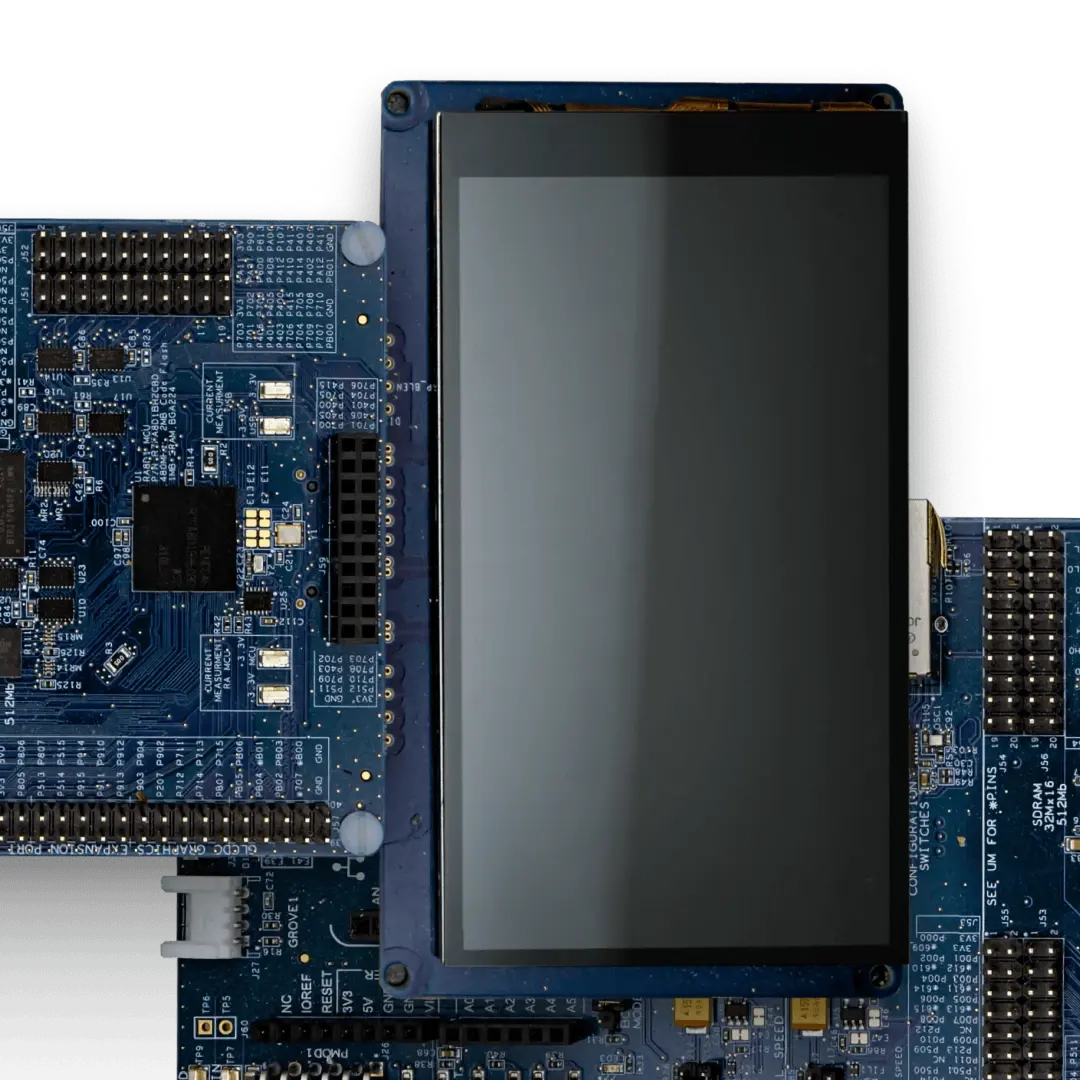
Renesas RA8D1-EK
- Screen: 4.5" at 480x854 res.
- Graphics: LVGL with Dave2D GPU
- Zephyr OS with Linux Foundation
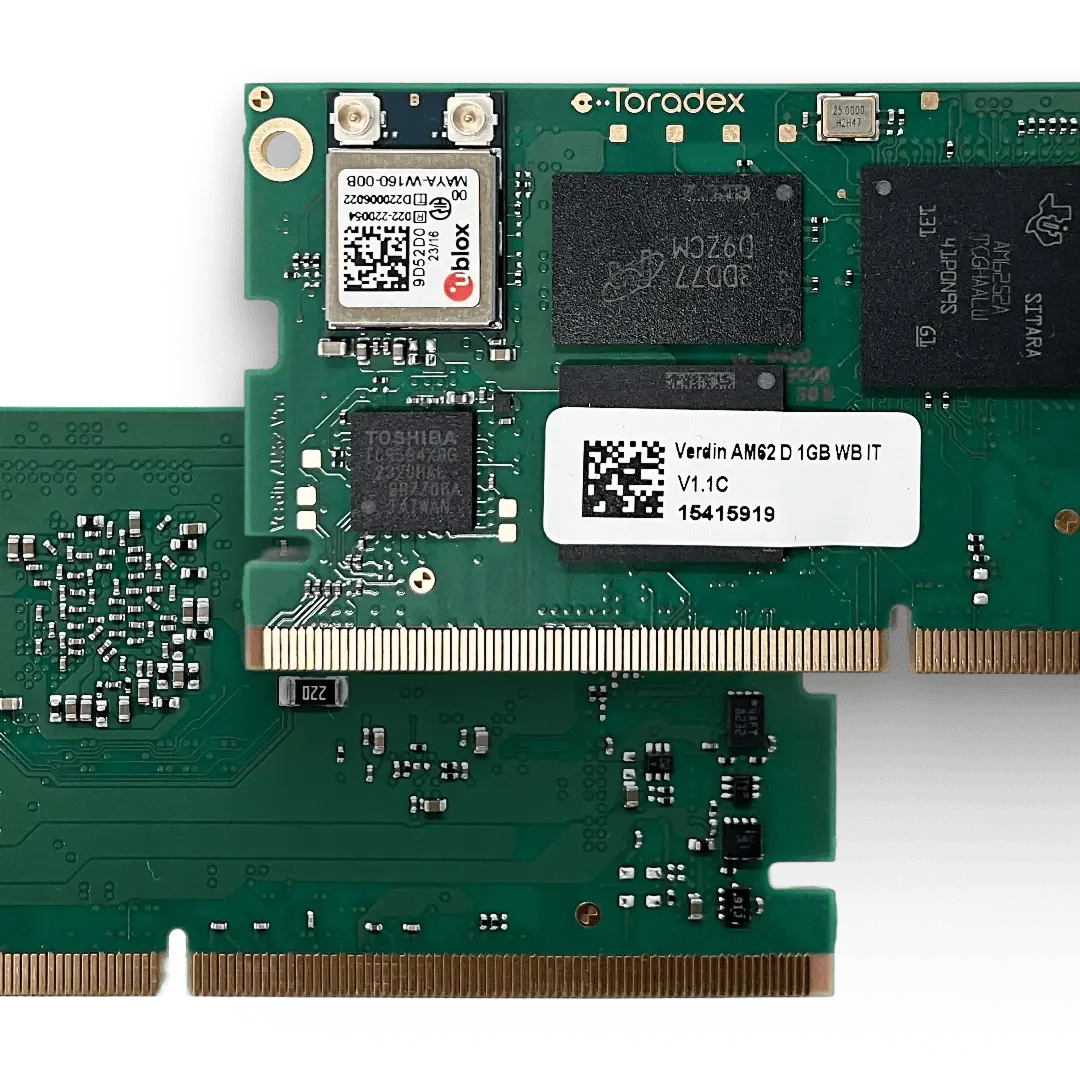
Toradex Verdin AM62
- Screen: 7" at 1280x720 res.
- Graphics: LVGL with VG Lite backend
- Torizon OS (Zephyr-based)
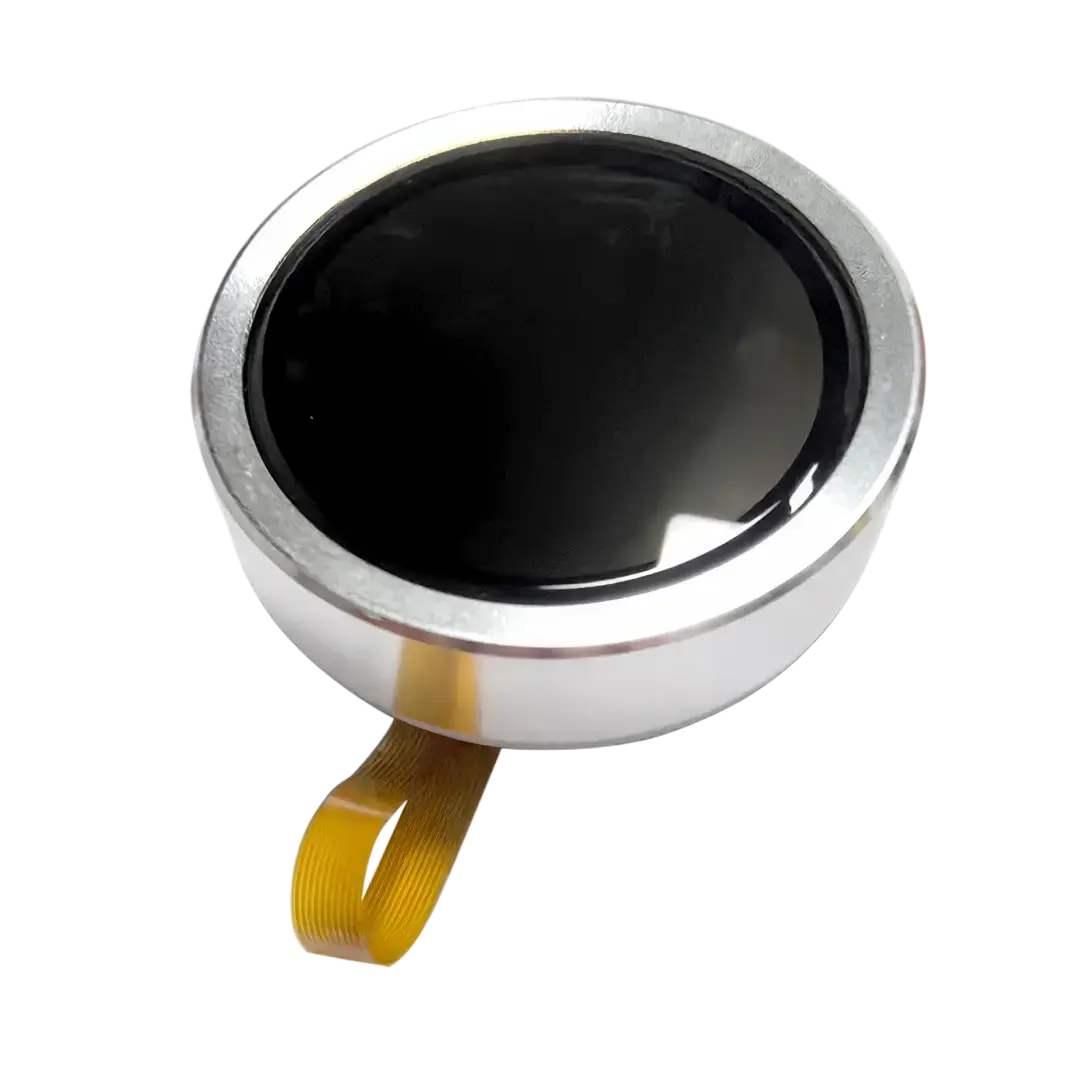
ESP32 S3 Touch Knob
- Screen: 1.5" at 360x360 res.
- Graphics: LVGL with anti-aliasing limitations
- Zephyr OS compatible
Despite different devices and hardware, all three demos uncovered the same fundamental UX gap.
A Broad Problem
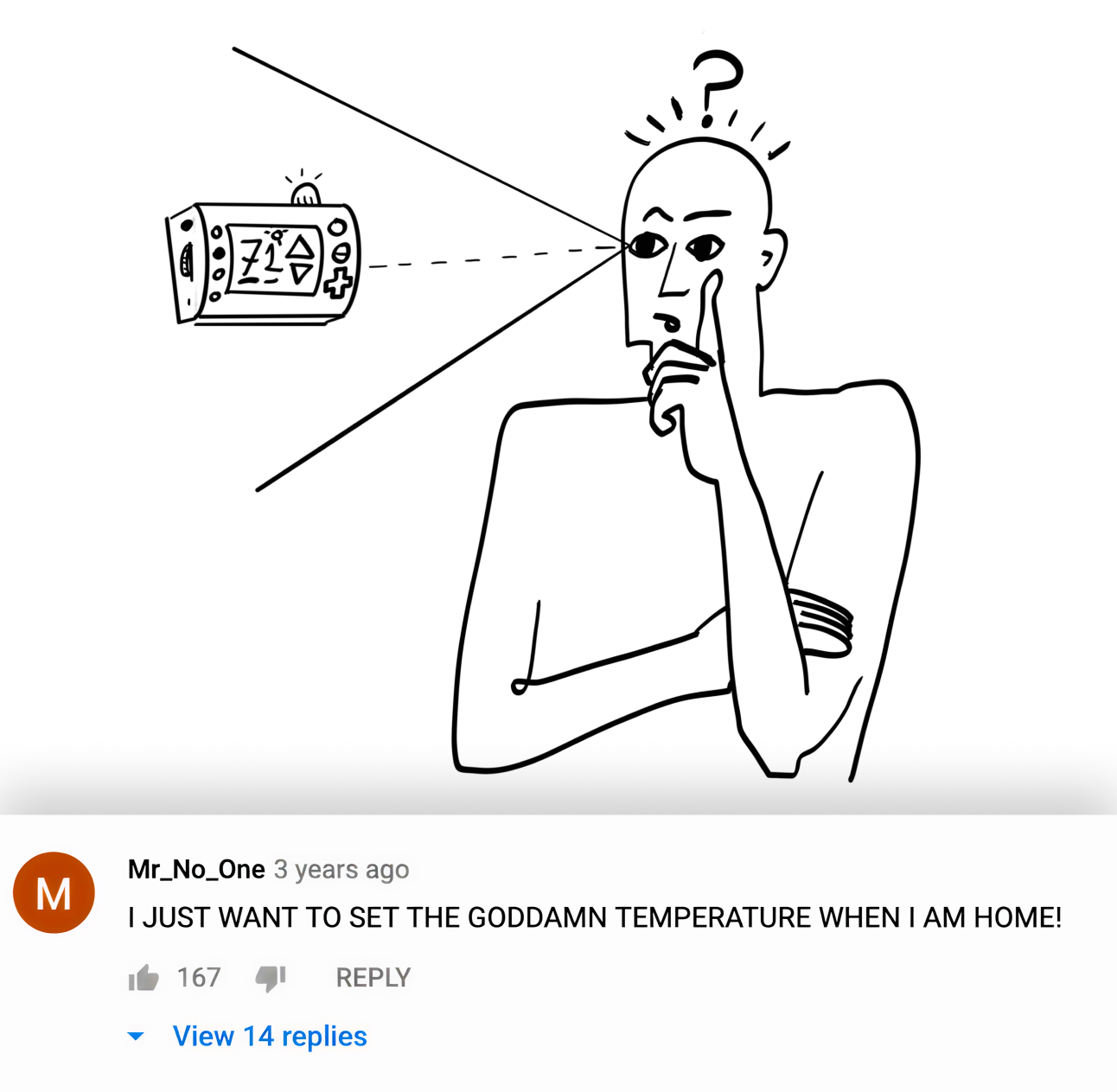
Lack of UX Thinking Makes Users Overthink
Ever struggled with a thermostat interface? That confusion reflects a curious usability gap between smartphones and embedded systems.
Most embedded devices still fail at basics.
This might stem from a historical transition: when digital screens arrived, many designers trained on static physical interfaces ( one button, one function ), faced unfamiliar dynamic states, shifting contexts, and hidden menus.
LVGL's solution
Between smartphones and physical devices
LVGL was created, in part, to help bridge that technological gap.
Why shouldn’t embedded devices be just as usable and visually appealing as smartphones or PCs? By bringing smartphone-like interfaces into the embedded world, LVGL taps into decades of UX research and design practice.
In doing so, it builds on work that began in the 1990s, when mobile phones first introduced digital screens and designers started rethinking how people interact with compact, screen-based devices.
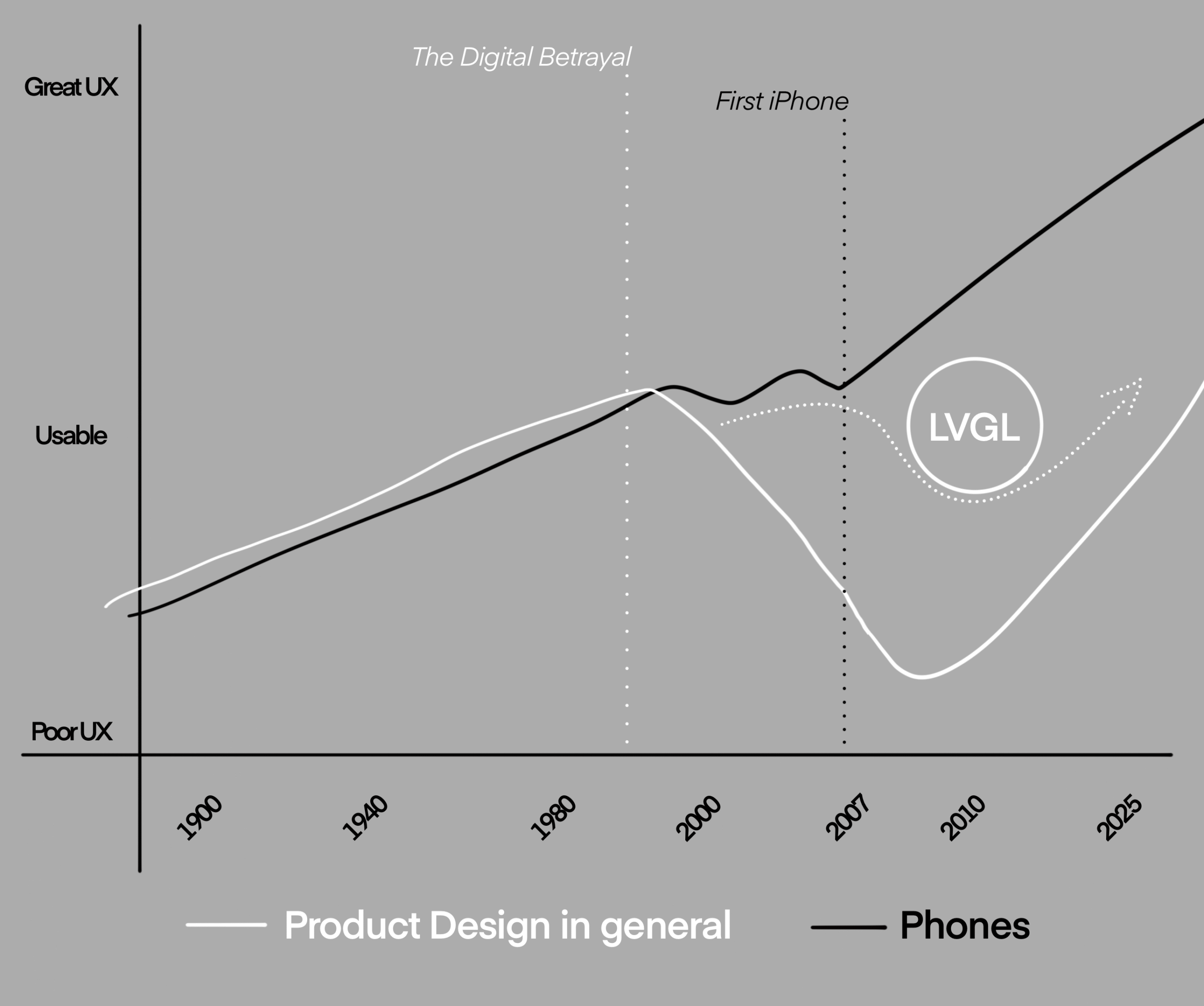
DISCLAIMER: This is a personal interpretation.
Gábor Kiss-Vámosi, LVGL's CEO in Embedded World 2025 – Nürnberg
(Presenting my ECG demo)
Today's Business Goals
Market Positioning Through Technical Proof
Companies needed concrete evidence their hardware could deliver professional interfaces. LVGL required industry validation across medical, consumer, and IoT sectors. Toradex needed convincing demos for their healthcare customers. Renesas wanted trade show demonstrations of microcontroller capabilities.
Each demo served as strategic ammunition in embedded systems competition; proving technology readiness through working examples rather than marketing promises.
Let's Collaborate
I help brands create memorable digital experiences
Visit the discussion on Reddit
Read my article about Design Systems and token collections on Reddit
Visit Reddit Discussion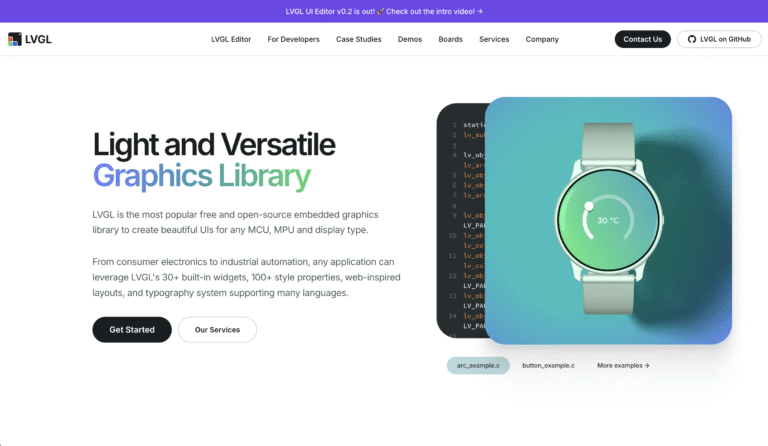
Visit my client's website
Visit the website of my client and discover their amazing graphics library
Visit LVGL WebsiteServices
Web design and dev.
UI/UX Design
Marketing Production
Consultation
Trusted By
Ralph Lauren
Facebook
Doordash
LVGL